Commercial Moves in Removals
When a business is planning a relocation, the process is about much more than moving desks and boxes from one building to another. It is about keeping the operation running, protecting equipment, safeguarding records, managing staff expectations, and making sure the new premises are ready to function from day one. That is why Commercial Moves in Removals need a careful, organised approach that fits the realities of local businesses, office buildings, industrial units, retail units, and shared workspaces.
For companies in Removals, the right moving team can make a big difference. Local knowledge matters when you are dealing with narrow streets, timed loading bays, busy town-centre access, upper-floor offices, mixed-use buildings, or business parks with restricted entry. A professional commercial removals service helps reduce disruption, keeps the move structured, and gives your team a clear plan to work from. Whether you are relocating a small office, expanding into a larger unit, or moving a whole commercial site, the aim is the same: a smooth transition with as little downtime as possible.
Businesses often need more than simple transport. They need a service that understands scheduling, packing, dismantling, internal moves, and the practical challenges of working around staff, customers, and operational deadlines. That may include evening or weekend moving, phased relocations, secure handling of confidential files, or careful movement of specialist items. If you are planning a business move in or around Removals, contact us today to discuss the safest and most efficient way to manage it.
What Commercial Moves Involve

Commercial moves are designed for organisations that need to relocate a workplace, customer-facing premises, or operational site. Unlike a domestic move, the priorities are usually tied to continuity, equipment protection, and the ability to restart work quickly. That is why the service typically includes a structured plan, a clear moving schedule, and practical support before, during, and after moving day.
A business relocation can involve a wide range of property types, including offices, retail units, clinics, professional practices, storage rooms, workshops, and small warehouses. In some cases, the move may be straightforward; in others, it may require careful coordination because of lift access, parking restrictions, shared entrances, or traffic congestion. A local removals team that already understands the area can plan around these issues more effectively.
Commercial removals in Removals are often tailored to the exact needs of the business. That may mean moving everything in one go, handling the relocation in stages, or transferring selected departments first so the company can continue to operate while the rest of the site is packed down. The key is flexibility. A good commercial move should suit your working pattern, building access, and business deadlines, not force your business to fit around the move.
Why Local Businesses Choose a Commercial Removals Service

Choosing a local team gives you practical advantages that are easy to overlook until moving day arrives. Local crews are more likely to understand common route limitations, loading restrictions, and the realities of moving within town centres, industrial estates, business parks, or residential streets that also contain home-based businesses. That familiarity helps keep the move on time and reduces avoidable stress.
Local businesses also benefit from a service that is easier to coordinate around daily operations. If your company needs a pre-move survey, a site visit, a phased clearance, or a schedule that works around opening hours, a nearby removals team is better placed to respond quickly. That can be especially helpful for companies in offices above shops, converted buildings, shared units, or locations with limited parking and short unloading windows.
There is also peace of mind in knowing that your movers are used to working with local commercial customers. They understand that a business move is not just a collection of boxes. It may involve computer hardware, display stock, archived paperwork, office furniture, catering equipment, POS systems, shelving, or specialist machinery. Move management, timing, and care all matter, and local experience helps bring those elements together.
Types of Commercial Moves We Commonly Support

Every business move is different, but many commercial relocations fall into familiar categories. Office relocations are among the most common and may involve desks, chairs, filing systems, IT equipment, meeting room furniture, and reception items. These moves often need extra care because staff need to return to work quickly with as little disruption as possible.
Retail moves can be highly time-sensitive. Shops, showrooms, salons, and customer service premises may need to transfer stock, fixtures, counters, and promotional items without interrupting trading for longer than necessary. In some cases, the move may take place after closing time or across a tightly planned weekend window. For businesses in busy parts of Removals, that kind of planning can make all the difference.
Industrial and warehouse moves can include racking, storage units, stock, tools, and heavier equipment. These jobs may require extra manpower, specialist lifting practices, or a more detailed staging plan. Healthcare, education, and professional service moves can involve sensitive documents, specialist furniture, or equipment that needs careful handling. If your organisation has a specific setup, a commercial removals service can be adapted to match it.
How a Business Move Is Usually Planned
A well-run commercial move starts long before the vans arrive. Planning usually begins with a discussion of the current premises, the new premises, access arrangements, and the amount of items to be moved. This is the stage where practical details matter most: where the building entrances are, whether lifts are available, how close parking can be arranged, and whether the move needs to happen outside normal business hours.
Many companies find it useful to create a moving schedule that breaks the job into manageable sections. That may include packing in phases, identifying priority items, labelling workstations, and deciding which teams move first. For larger sites, it can help to create a floor plan for the new premises so furniture, equipment, and boxes go directly to the correct areas. The clearer the plan, the less time is lost once the move begins.
Communication is another key part of the process. Staff need to know what they should pack, what the removals team will handle, and when they should expect access to the new site. If your business depends on customers visiting during the move, signage and temporary arrangements may also be needed. A thoughtful move plan reduces confusion and helps everyone stay focused on work rather than logistics.
What Is Included in Commercial Moves in Removals
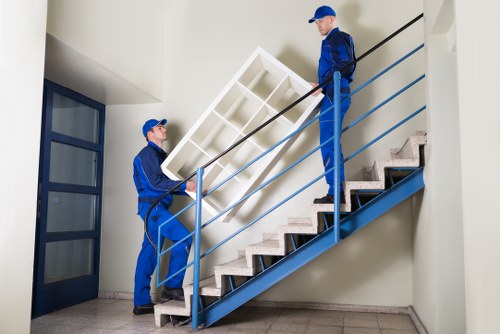
The exact service will depend on your business needs, but many commercial moves include a combination of packing support, furniture dismantling, loading, transport, unloading, and placement at the destination. Some businesses only want transportation, while others prefer help with the full process from preparation to setup. A flexible service is usually the best option because no two businesses need the same level of support.
Typical inclusions may cover the following:
- Pre-move discussion or site assessment
- Planning around access, parking, and loading
- Packing support for office or business items
- Labelling and room-by-room organisation
- Dismantling and reassembly of furniture where appropriate
- Careful loading and safe transport
- Unloading into the correct rooms or zones
- Placement of furniture and boxes according to plan
- Optional support for phased moves or internal relocations
Some customers also request help with confidential files, archived paperwork, stock sorting, or internal reshuffles within the same building. If your office is being reconfigured rather than fully relocated, the same moving principles still apply. The right team can move departments, furniture, and equipment between floors or rooms with minimal interruption to the working day.
Local Property Challenges That Affect a Commercial Move

In Removals, the local built environment can affect how a commercial relocation is carried out. Town-centre offices may face restricted loading times, shared access points, and busy roads. Retail units can have rear service entrances or limited space at the front for unloading. Business parks may be easier to reach, but still require attention to building rules, site bookings, or gate access. These are the kinds of details that are easy to miss if a move is planned without local awareness.
Older buildings can also bring challenges such as narrow staircases, small lifts, uneven floors, and awkward entrances. Converted terraces, upstairs offices, and mixed-use premises often need more careful handling than purpose-built commercial units. In some locations, parking can be the biggest issue of all. A vehicle may need to be positioned precisely to keep the move efficient and avoid delays. That is why a team familiar with the area can be such an asset.
Access planning is especially important for businesses with heavier items or high volumes of boxes. If the route from the van to the premises is long, steep, or obstructed, the moving strategy may need to change. A local removals company will usually factor this into the job from the start rather than treating it as a surprise on the day.
Preparation Checklist for Businesses
Commercial moving preparation does not need to be complicated, but it should be thorough. A simple checklist helps the whole business stay aligned and reduces the risk of items being misplaced or left behind. The aim is to make the removals team’s work easier while also keeping your own staff informed and organised.
Here is a practical checklist many local businesses find useful:
- Confirm the moving date and access times for both premises.
- Identify priority items that must be available first at the new location.
- Back up digital files and secure any data that should not travel loosely.
- Empty personal items from desks, cabinets, and shared storage.
- Label boxes clearly by department, room, or item type.
- Separate fragile, confidential, or specialist items for extra care.
- Notify staff of the moving schedule and who is responsible for each area.
- Arrange parking, loading permissions, or site access in advance.
- Check the new premises for lift access, floor protection, and entry routes.
- Prepare any furniture plans so items can be placed efficiently on arrival.
It can also help to nominate a move coordinator within your business. That person can answer questions, check labels, and make decisions on the day if a small adjustment is needed. A clear point of contact saves time and helps the moving team work more smoothly with your staff.
How to Reduce Downtime During a Business Move
Downtime is often the biggest concern for any organisation planning a relocation. Whether you run an office, a shop, a clinic, or a warehouse operation, every hour away from normal service can affect customers and staff. A good removals plan should therefore focus on reducing interruption wherever possible.
One effective approach is a phased move. Instead of relocating everything on one day, the move can be split into sections so the business continues working while parts of the site are transferred. Another option is to move non-essential items first, then complete the core working areas once the new site is ready. This can be especially useful for businesses with several departments or a large amount of equipment.
Another way to protect productivity is by preparing the new site before the main move begins. This may include setting up desks, ensuring utilities are ready, checking lift access, marking room names, and confirming where key items should go. Good preparation means the removals team can unload efficiently, and your team can return to normal work sooner.
Pricing Factors for Commercial Removals
Many customers want to know what affects the cost of a commercial move, even if they are not looking for fixed numbers. The most important point is that pricing usually depends on the scope and complexity of the job rather than just the distance between buildings. Every business move has different requirements, so a tailored quote is usually the fairest way to price it.
Common factors that can influence the quote include:
- The size of the premises and the amount of contents
- Whether packing support is needed
- The number of staff or vehicles required
- Access issues such as stairs, lifts, or long carrying distances
- Whether the move is local, regional, or involves multiple sites
- Timing requirements, including evenings or weekends
- Special handling needs for fragile, heavy, or confidential items
- Any dismantling, reassembly, or internal shifting involved
If you want a realistic picture of the likely cost, the best step is to request a detailed quote based on your premises and move requirements. A local company can usually offer a more accurate estimate after discussing the layout, the access points, and the amount of equipment involved. That makes planning easier and avoids surprises later.
Why Commercial Customers Prefer a Flexible Service
Businesses often work to deadlines that do not fit neatly into standard moving times. Some need a weekend relocation so staff can return on Monday. Others need an overnight move because customers cannot be disrupted during the day. A flexible removals service is useful because it can be built around the real rhythm of the business.
Flexibility also matters when a move is not straightforward. Perhaps the new premises are not ready yet, or maybe the outgoing site must be cleared in stages. Some businesses need temporary storage while they transition between locations. Others need help moving only certain departments first. The more adaptable the service, the easier it is to keep the business moving forward.
For commercial customers in and around Removals, flexibility often goes hand in hand with local understanding. A team that knows the area can better anticipate where delays may occur, which routes are practical for larger vehicles, and how to work around site-specific restrictions. That combination of planning and adaptability is what makes the move feel manageable rather than overwhelming.
Examples of business moves that benefit from flexibility
- Office relocations with staff working across both sites
- Retail moves timed around opening hours
- Clinic or practice moves with appointment schedules to protect
- Warehouse or stockroom moves with phased inventory transfers
- Internal office moves when expanding or reorganising departments
Choosing the Right Commercial Removals Team
It is worth taking time to choose a removals team that understands commercial requirements, not just general transport. You want a company that asks practical questions, listens to your priorities, and can explain how the move will be handled from start to finish. That reassurance is especially important when valuable equipment, time-sensitive work, or customer-facing operations are involved.
Useful things to look for include clear communication, a structured approach, and experience with different types of business property. It also helps if the team is comfortable with both small and larger moves, because many businesses start with a straightforward relocation but discover later that staging, additional handling, or access planning is needed. A capable team should be ready to adapt as the move unfolds.
Local commercial removals in Removals are strongest when they combine practical experience with a customer-focused approach. You should feel confident that your move is being handled methodically and that the team understands your business needs, not just the physical items being transported. If that is the sort of support you are looking for, request a free quote and discuss your moving plans in detail.
Areas Covered Around Removals
A local commercial removals service is often used by businesses not only in Removals itself, but also in nearby towns, suburbs, and surrounding commercial zones. This can include office districts, industrial estates, retail parades, mixed residential-commercial streets, and business parks where companies are regularly moving in or out.
Because each local area has its own layout, the move may need to account for different access patterns, road conditions, and building rules. Some locations are easier for large vehicles; others require smaller transport or careful timing. A team used to working across the wider area is better placed to plan efficient routes and arrive prepared for the local environment.
If your business is based near schools, high streets, industrial units, transport hubs, or older converted buildings, the moving strategy may need extra care. That is one reason local expertise is so valuable: it supports smarter planning and a smoother experience from quote through to completion.
Commercial areas often covered may include:
- Town-centre offices and upper-floor premises
- Retail streets and shopping parades
- Business parks and office campuses
- Industrial estates and storage facilities
- Mixed-use buildings and converted properties
- Out-of-town commercial units
Frequently Asked Questions
How far in advance should I book a commercial move?
It is best to book as early as possible, especially if your move needs to happen at a specific time, outside normal business hours, or during a busy trading period. Early booking also gives you more time to plan access, notify staff, and prepare the new premises. If your move is urgent, still get in touch, as availability may vary.
Can our office stay open during the move?
In many cases, yes. A phased or staged relocation can allow parts of the business to keep operating while other areas are moved. The best approach depends on your layout, the type of equipment involved, and how much disruption your team can manage. A local removals company can help you decide what is realistic.
Do you move office furniture and IT equipment?
Yes, commercial moves often include desks, chairs, storage units, meeting room furniture, and other office items. IT equipment may also be included, but it should be handled with care and packed appropriately. Let the moving team know in advance if you have sensitive or specialist equipment so the plan can reflect that.
What if our building has difficult access?
That is a common issue in commercial moves, particularly in busy or older parts of Removals. Narrow stairways, limited parking, lifts, shared entrances, and loading restrictions can all affect the move. The best approach is to discuss access early so the removals team can plan the right vehicle, crew size, and timing.
Can you help with internal office moves as well as full relocations?
Yes. Many businesses need help shifting departments, moving furniture between floors, or reconfiguring a workspace without leaving the building. Internal moves can be just as important as full relocations when you are improving layouts or making room for growth.
How do I get a quote for commercial moves in Removals?
The easiest way is to request a quote with as much detail as possible about your premises, timings, contents, and access requirements. The more the team knows about your move, the more accurate the quote is likely to be. If you are ready to plan ahead, contact us today and ask for a tailored quotation.
What to Expect on Moving Day
On moving day, a well-organised commercial move should feel controlled rather than chaotic. The team should arrive with a clear plan, understand the layout of both properties, and know what needs to be moved first. Before loading begins, it is often useful to confirm any last-minute details such as parking position, room labels, and the order of priorities at the destination.
Good movers work methodically, protecting floors and handling items carefully as they go. They will usually load in a sequence that suits the move plan, keeping essential items accessible where needed. Once at the new premises, items should be placed according to the agreed layout so staff can get set up quickly. If there are any special instructions, those should be communicated early in the day.
Professional commercial removals in Removals are about making the transition practical and predictable. When the plan is clear, the move feels less disruptive, and your team can focus on restarting operations instead of dealing with avoidable complications.
Book Your Commercial Move With Confidence
If your business is preparing to relocate, expand, reorganise, or clear a commercial property, the right removals support will save time and reduce stress. A local team can help you plan access, organise the packing, move items safely, and keep the process aligned with your business schedule. From offices and shops to workshops and storage units, the same principle applies: careful planning leads to a smoother move.
Commercial customers in Removals often want a service that is practical, responsive, and built around real business needs. That includes clear communication, sensible scheduling, and attention to the details that matter on the day. Whether you are moving a small team or a larger operation, there is value in having a local company that understands the area and the pressure of keeping business disruption to a minimum.
When you are ready, request a free quote and talk through the type of move you need. If you want to keep downtime low, protect valuable items, and make the transition as straightforward as possible, book your service now and take the first step toward an organised relocation.
Ready to get started?
Contact us today to discuss your business move, share your timeline, and plan the most practical way to complete it.