Expert guide to packing fragile valuables for removals
Fragile valuables are the items that make a move feel slightly nerve-racking even when everything else is under control. A chipped glass, a cracked frame, a wobbling lamp base, that one box of sentimental bits you cannot replace easily - they all need a different level of care. This expert guide to packing fragile valuables for removals walks you through the practical side of protecting breakables, valuables and awkwardly delicate items so they arrive in one piece, not in a worryingly rattly bag of fragments.
Whether you are moving a whole house, just a few treasured pieces, or a mix of home and office items, the right packing method matters more than people often think. It is not just about buying more bubble wrap. It is about structure, cushioning, labelling, weight control and the simple discipline of packing with the journey in mind. Let's face it, a box packed badly on a Tuesday can turn into a headache by Friday morning.
In this guide, you will learn what fragile valuables actually need, how professionals approach them, what to avoid, and when it makes sense to use help from a trusted packing and unpacking service or a wider removal service. We will keep it practical, UK-friendly, and straight to the point.
Table of Contents
- Why packing fragile valuables properly matters
- How the packing process works
- Key benefits and practical advantages
- Who this is for and when it makes sense
- Step-by-step guidance
- Expert tips for better results
- Common mistakes to avoid
- Tools, resources and recommendations
- Law, compliance, standards, or best practice
- Options, methods, or comparison table
- Case study or real-world example
- Practical checklist
- Conclusion
- Frequently asked questions
Why Expert guide to packing fragile valuables for removals Matters
Fragile items are usually the most vulnerable things in a move because they combine three problems at once: they are delicate, they are often valuable, and they are easy to forget until the last minute. That is a bad combination. A mirror can survive years on a wall and then crack because it was placed under a heavy blanket in the van. A ceramic vase can be fine in the cupboard for a decade and then break because the box had too much empty space. Small failures become expensive quickly.
Good packing is not really about fancy materials. It is about preventing movement, spread of pressure, and surprise impacts. During removals, boxes shift, the vehicle brakes, items get stacked, and corners catch. Even a careful team cannot control every bump in the road. What they can control is how well items are prepared before loading.
This matters even more for valuables. Some things are financially expensive, but others are valuable in a very different way: family china, framed art, a signed instrument, a keepsake that cannot be replaced. If you have ever picked up a box and heard a tiny clink from inside, you already know the feeling. That sound is doing too much work.
For homeowners planning a full move, this is part of the broader logistics of home moves and, for some households, the safest approach is to treat fragile items as a separate mini-project rather than just another box on the list. Commercial clients face the same issue in a different form - office glassware, screens, awards, and presentation equipment can all need carefully organised handling in a office removal or wider commercial move.
How Expert guide to packing fragile valuables for removals Works
The process works best when you think in layers. First comes sorting. Then wrapping. Then cushioning. Then box selection. Then labelling. Then loading. Each layer reduces risk in a slightly different way, and skipping one is where most trouble starts.
Here is the simple idea: fragile valuables should not be able to move, knock together, or bear too much weight from above. If the item can slide inside the box, the box is not finished yet. If the box has a hollow sound when tapped, it probably needs more protection. If the item feels like it is floating, that is not usually a good sign. A little movement in a moving box is fine for socks. Not for glass.
Professional packing usually follows a rhythm:
- Assess the item and decide if it needs special packing.
- Use clean, dry wrapping materials.
- Build a cushioned base in the box.
- Wrap each piece individually where needed.
- Fill gaps so items cannot shift.
- Seal and label clearly.
- Load with weight and fragility in mind.
That sequence sounds obvious, but in real life people often skip straight to boxing. The result is a neat-looking box that sounds like a maraca when moved. Not ideal.
If you want extra hands with sorting and box preparation, a packing and unpacking service can be useful, especially if you are short on time, have a large number of breakables, or simply do not want to spend your evening wrapping glassware one teaspoon at a time.
Key Benefits and Practical Advantages
Packing fragile valuables properly saves more than breakages. It saves time, avoids stress on moving day, and makes unpacking much calmer. In our experience, the best-packed fragile boxes are also the easiest to place in the van, because they are predictable. They have a solid base, a clear weight, and a label that tells everyone what is inside.
- Lower breakage risk: items are cushioned, separated and stabilised.
- Better handling: movers can load boxes more safely when they know what is fragile.
- Faster unpacking: labels and contents lists help you find priority items quickly.
- Less stress: you are not wondering whether the box marked "misc" contains your best wine glasses. Spoiler: it often does.
- Better use of space: properly packed boxes stack more safely in a removal van or moving truck.
There is also a financial angle. Breakages are frustrating enough without the added cost of replacement, repair, or insurance complications. If items are unusually valuable, or if you are unsure about cover, it is worth reading the company's insurance and safety information before moving day. That way you know what is expected and what is sensible to declare.
For people comparing move types, smaller jobs can sometimes suit a man and van arrangement, while larger household or multi-room moves may need a full team. The right choice depends on volume, access, and how much fragile freight you have to shift.
Who This Is For and When It Makes Sense
This guide is for anyone moving items that would be annoying to replace and upsetting to lose. That includes homeowners, renters, landlords clearing a property, small businesses, and families helping older relatives downsize. It also makes sense if you only have a few fragile pieces but they matter a great deal.
Typical examples include:
- Glassware, crystal, and fine crockery
- Mirrors, picture frames, and artwork
- Lamps, decorative ceramics, and ornaments
- Computer monitors, printers, and other office electronics
- Musical instruments and accessories
- Sentimental valuables and heirlooms
- Bottles, collectibles, and boxed keepsakes
If you are moving out of a flat with stairs, a narrow hallway, or a tight entrance, careful packing matters even more because the item may need to turn, tilt, or be carried longer than expected. A box that seems sturdy in the living room can feel awkward halfway down a staircase. Small inconvenience, big risk.
For people needing a bit of flexibility rather than a full-scale crew, services such as man with van or moving van support can be useful, especially for smaller loads or single-room moves. The key point is simple: the more delicate the items, the more deliberate the packing needs to be, regardless of vehicle size.
Step-by-Step Guidance
Here is a practical method you can follow without turning the whole house upside down.
1. Sort fragile valuables into groups
Group items by material and shape. Glass should not be packed with books. Heavy ornaments should not sit with paper-thin frames. Mixing soft and hard items sounds efficient, but it usually leads to uneven pressure and wasted space. Put similar items together so each box has a sensible weight and a predictable packing method.
2. Set aside the right materials before you begin
Do not start wrapping with one roll of tape and a vague hope. You will need sturdy boxes, packing paper, cushioning material, strong tape, labels, and, for some items, dividers or corner protectors. A clean table or clear floor area helps too. It sounds basic because it is basic, but basic is often where the whole move is won.
3. Create a protective base
Line the bottom of the box with crumpled paper or cushioning material. This base absorbs shock and reduces direct pressure on the item. For particularly delicate items, a double layer at the bottom is sensible. Avoid letting any hard surface remain exposed underneath the item.
4. Wrap each item individually where needed
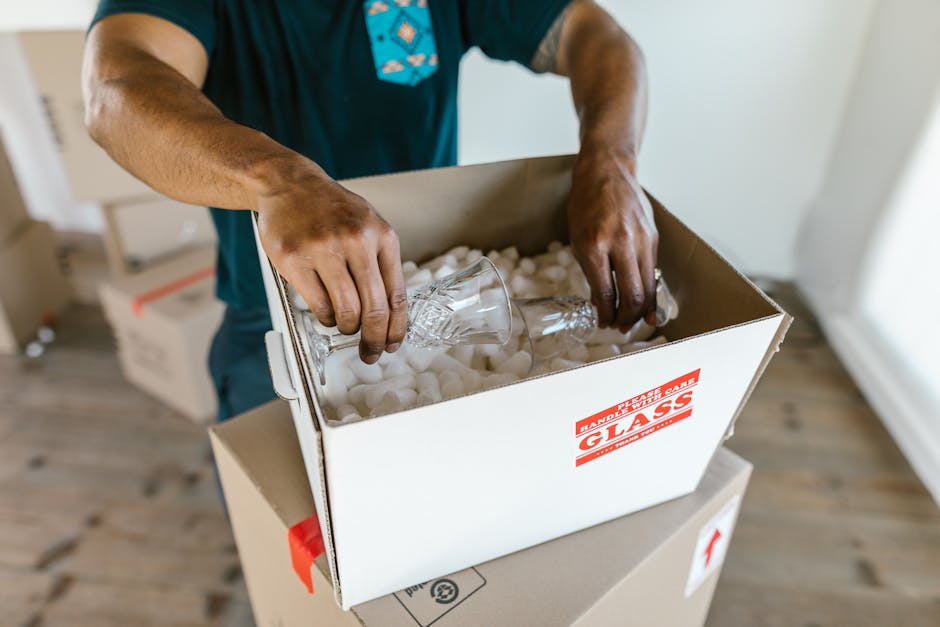
Glass, ceramics, and framed pieces usually need individual wrapping. Start with the most vulnerable part first, such as a handle, corner, or rim. Use enough material to protect, but not so much that the box becomes oversized and unstable. A common mistake is using a huge box because it feels easier. It is easier until it starts sliding around like a loose parcel in the boot of a car.
5. Fill voids so nothing can shift
Once items are in the box, fill every gap. This is one of the most important steps. Empty space means movement, and movement means impact. The goal is for the contents to feel snug, not crushed. If you gently shake the sealed box and hear movement, reopen it and fix the gaps.
6. Keep weight under control
Fragile does not mean light. A box of plates can become surprisingly heavy. Keep heavier breakables in smaller boxes and do not stack them too high. A sensible rule is to stop before the box becomes awkward to lift with both hands. If the box strains the carrier, it is probably too heavy for a removals move.
7. Seal, label, and mark orientation
Seal the box securely along the seams. Label the top and at least one side with a clear description of what is inside and whether it is fragile. If the item has an upright position, mark that too. Labels are not decoration; they are a practical instruction to anyone carrying the box.
8. Load carefully into the vehicle
Fragile boxes should generally sit where they are less likely to be crushed, not underneath heavy furniture or stacked in a way that invites pressure. Professional movers will usually balance the load so boxes remain stable through braking and cornering. If you are using a service such as movers or a larger vehicle like a moving truck, ask how fragile items are positioned during transit. That question is never silly.
Expert Tips for Better Results
A few small habits make a big difference. To be fair, most breakages happen because of small oversights rather than dramatic errors.
- Use smaller boxes for denser fragile items. It is easier to control weight and reduce internal movement.
- Double-wrap when in doubt. Particularly with sentimental items, the extra layer is usually worth the time.
- Keep lids and detachable parts together. Store screws, fixtures, and remote controls in labelled pouches or taped envelopes.
- Photograph valuable items before packing. This gives you a record of their condition and helps with organisation later.
- Pack your essentials separately. If you need an item on day one, do not bury it under six layers of bedding and optimism.
- Leave no box half empty. Top-up gaps with paper rather than letting the contents drift inside.
- Prepare one "open first" box. Include the most needed fragile bits for the first night, like mugs, a lamp, or key kitchen items.
One little trick: tap the side of the box after packing. If it sounds dull and stable, that is a good sign. If it sounds hollow or crunchy, it is telling you something, honestly.
For larger or more complicated moves, especially where access is awkward or parking is tight, it can help to review your broader move plan with a company that understands house removals and house movers. Fragile packing works best when the rest of the move is organised too.
Common Mistakes to Avoid
People often think fragile packing is about adding more protection. Sometimes it is, but very often it is about avoiding the wrong habits.
- Using oversized boxes: too much space means too much movement.
- Packing too tightly: crushing delicate items can cause hidden damage.
- Mixing heavy and light items: pressure builds in the wrong places.
- Leaving gaps unfilled: empty space is where breakages begin.
- Reusing weak boxes: damp or tired cardboard can fail under load.
- Not labelling clearly: fragile boxes should be easy to spot at a glance.
- Ignoring shape and balance: odd-shaped items need more planning, not less.
Another quiet mistake is leaving fragile packing to the last evening. By then, people are tired, the room is full of tape scraps, and everyone is asking where the kettle went. Not the best moment for careful wrapping. If the move is large, build in time. You will notice the difference almost immediately.
Tools, Resources and Recommendations
The right tools make the whole job calmer. You do not need specialist equipment for everything, but a few sensible basics go a long way.
| Item | What it helps with | Best used for |
|---|---|---|
| Strong cardboard boxes | Structure and stacking | General fragile household items |
| Packing paper | Wrapping and gap filling | Glassware, crockery, small valuables |
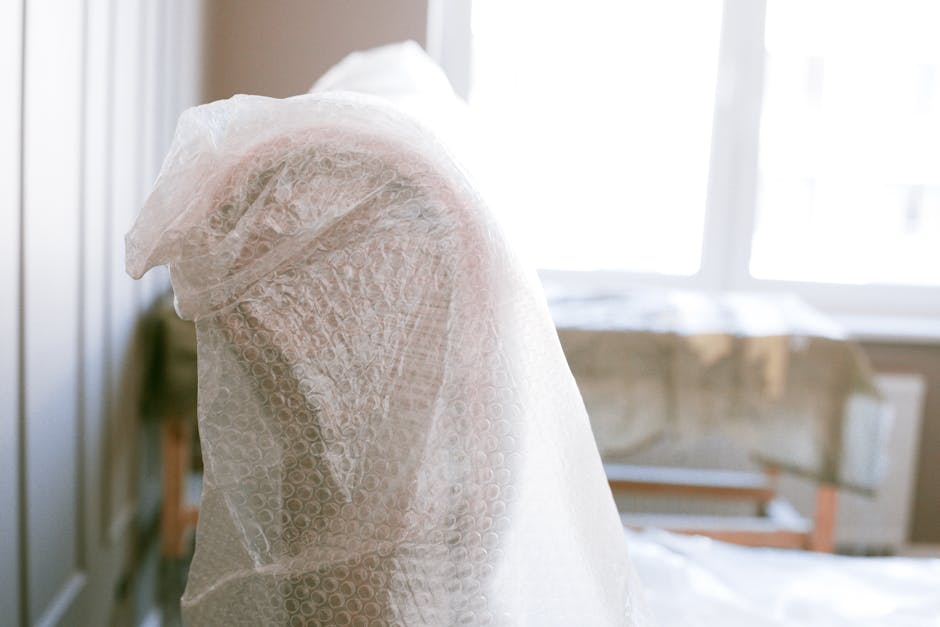
| Bubble wrap | Extra cushioning | Frames, ornaments, delicate surfaces |
| Dividers | Separation inside boxes | Glasses, bottles, stemware |
| Corner protectors | Edge protection | Frames, mirrors, artwork |
| Heavy-duty tape | Secure sealing | Box closure and reinforcement |
| Labels and marker pen | Clear identification | All fragile boxes |
If you have higher-value or more awkward items, professional support may be worth it. A reliable removal company can help with planning, loading and transport, while removal services more broadly can cover the moving process from start to finish. For smaller or lower-volume jobs, a man and van removals option can be a practical fit.
It is also sensible to check pricing and quotes early so you can compare the cost of doing everything yourself versus getting help with packing and transit. The cheapest option is not always the cheapest if a plate service breaks halfway through the day.
Law, Compliance, Standards, or Best Practice
For most household moves, the main concern is not a niche legal rule about bubble wrap. It is common-sense best practice, plus clarity about the moving company's responsibilities and your own declarations. If you are moving especially valuable items, make sure you understand the mover's terms and insurance position before the day arrives. That includes what is covered, what needs to be declared in advance, and what is excluded.
In the UK, professional removals work is generally expected to follow sensible health and safety practice, careful manual handling, and accurate communication about fragile or high-value items. If you are booking a service, it is a good idea to review the company's published health and safety policy and terms and conditions. That is not about being difficult. It is about knowing where you stand.
For business moves, especially offices with screens, servers, display items or specialist equipment, the standards for packing should be tighter. Clear labelling, asset lists, and handling instructions become much more important. If the move is part of a broader workplace change, office relocation services can help coordinate the process more efficiently.
If you are unsure whether an item is too valuable or too fragile for standard packing, ask yourself a simple question: would I be relaxed if this box was carried, stacked, and stopped suddenly on the road? If the answer is no, it deserves more protection.
Options, Methods, or Comparison Table
Different packing methods suit different items. The right approach depends on value, fragility, shape and how much time you have.
| Method | Best for | Pros | Limits |
|---|---|---|---|
| Single wrapping with paper | Light crockery, some ornaments | Quick, tidy, low cost | Less impact protection |
| Double wrapping with paper and bubble wrap | Glassware, frames, sentimental pieces | Strong all-round protection | Takes longer and uses more material |
| Box dividers | Glasses, bottles, stemware | Reduces contact between items | Needs the right box size |
| Specialist case or crate | High-value or unusually shaped items | Excellent stability and protection | More expensive and less flexible |
| Professional packing service | Busy households, complex moves, delicate collections | Saves time, reduces stress, more consistent results | Additional cost |
There is no single "best" method for every fragile item. A framed print is not a teacup. A teacup is not a lamp. The trick is matching the method to the object, rather than forcing one technique onto everything because it happens to be there.
Case Study or Real-World Example
A typical example: a family moving from a two-bedroom flat into a house, with a small collection of glassware, three framed prints, a ceramic lamp, and a box of inherited crockery. On paper, none of it sounds extreme. In practice, the items were awkwardly mixed together in their first draft of packing, and the boxes were too large. The glasses had room to shift, the frames sat at odd angles, and the crockery box felt heavier than it should.
They re-packed the fragile items by category. Glasses were wrapped individually and placed in a divider box. Frames were protected at the corners and kept flat. The ceramic lamp was boxed on its own with cushioning around the base. The crockery was split into two smaller boxes rather than one overstuffed one. The result was calmer on moving day and easier to load. Nothing dramatic happened, which is exactly the point.
That kind of move is common. Most people are not transporting museum pieces. They just have a few things that matter, and those things need to arrive intact. A little extra time at the packing stage avoids a great deal of stress later.
Practical Checklist
Use this before sealing any box of fragile valuables.
- Have I sorted items by type and weight?
- Is the box strong enough and the right size?
- Have I lined the base with cushioning?
- Is each fragile item wrapped properly?
- Are gaps filled so nothing can move?
- Is the box not too heavy to lift safely?
- Have I labelled it as fragile and marked any upright side?
- Do I know which room it should go to?
- Have I set aside anything I will need first?
- Have I checked insurance, handling notes, or special instructions if needed?
Expert summary: fragile packing works best when you slow down, separate items properly, and prevent movement inside the box. Good packing is less about "more material" and more about better structure. If the box feels calm when you lift it, you are probably on the right track.
Conclusion
Packing fragile valuables for removals is one of those tasks that rewards patience. The process is simple in principle, but the details matter. Choose the right box, wrap carefully, eliminate gaps, keep weight sensible, and label with clarity. Do that well and you dramatically reduce the chance of damage, delay or that stomach-sinking moment when a box lands with a thud.
If your move is larger, your items are especially delicate, or time is tight, it may be worth using support from professional packing and moving teams rather than trying to do everything in one evening. The peace of mind alone can be worth it. And if you are planning a full house move, start by looking at house removals and the wider options available through removal services so you can match the service to the job.
Get a free quote today and see how much you can save.
Take your time, pack with care, and trust the quiet satisfaction of a box that feels solid, balanced and ready for the road. That is the kind of start that makes the rest of moving day feel a whole lot easier.
Frequently Asked Questions
What is the safest way to pack fragile valuables for removals?
The safest method is to wrap each item properly, use a sturdy box, fill all gaps, and keep the box weight manageable. Separation and cushioning matter more than using huge amounts of material.
Should I use bubble wrap or packing paper for fragile items?
Both can be useful. Packing paper is excellent for wrapping and filling spaces, while bubble wrap gives extra cushioning for corners, glass, and delicate surfaces. Many moves use a mix of the two.
How do I pack glassware so it does not break?
Wrap each piece individually, use dividers where possible, and pack glasses upright in a box with cushioned base and filled gaps. Do not let them knock together or float loosely inside the box.
Can I pack heavy fragile items in one large box?
Usually not. Heavy fragile items are better split into smaller boxes so they can be lifted safely and do not crush each other under their own weight.
How should I pack mirrors and framed artwork?
Protect the corners first, wrap the surface, and keep frames and mirrors secure so they cannot bend or slide. For larger pieces, a flatter box or specialist protection is often safer.
Do movers pack fragile items differently from regular boxes?
Yes, they should. Fragile boxes need clearer labels, more careful stacking, and more attention to weight distribution inside the vehicle. Good movers will treat them as a separate handling category.
Is it worth paying for professional packing and unpacking?
If you have many fragile items, limited time, or high-value valuables, yes, it can be worth it. It often reduces stress and lowers the chance of mistakes when the move day gets busy.
What should I do with especially valuable or sentimental items?
Pack them separately, photograph them first, and keep them with your most trusted items. If they are unusually valuable, ask in advance about insurance and any special handling requirements.
How do I know if a box is too heavy?
If it is difficult to lift with both hands, feels unbalanced, or strains your grip, it is too heavy. Fragile boxes should be comfortable to carry, not a test of your lower back.
Should fragile boxes be marked on every side?
It is a sensible idea. Clear labels help everyone handling the move see that the box needs care, especially if it is being stacked or moved quickly.
What if I am only moving a few fragile items?
Even a few items deserve proper packing. In fact, smaller loads are often where people become casual and skip steps. A bit of structure now prevents a lot of regret later.
Where can I find help if I need packing support for a move?
If you want help with fragile packing or the move itself, look at services such as packing and unpacking services, removals, or removals near me to see what fits your situation best.